A Car Alcohol Breathalyzer Could Save Your Teen’s Life. Here’s How to Get Them on Board
6 min read
Helping your teen learn about alcohol accountability and responsible driving decisions starts with honest conversations and the right tools.
Key Takeaways
- A voluntary portable car breathalyzer is a tool that provides a quick way to check your BrAC (breath alcohol concentration).
- Teen drinking and driving remains a serious risk: nearly one-third of young adults ages 12 to 20 have consumed alcohol.
- Clear, calm conversations can help teenagers view safety tools as protection, not punishment.
Every day, about 34 people in the United States die in drunk-driving crashes, that's one person every 42 minutes, according to the National Highway Traffic Safety Administration. And car crashes are a leading cause of death for teens: nearly 33% of young drivers killed in crashes involve underage drinking.
A voluntary car alcohol breathalyzer provides BrAC (breath alcohol concentration) readings on the go, enabling users - including teenage drivers - to stay accountable with real-time testing. This solution can also empower proactive parents and caregivers to help keep young drivers safe by providing insights into alcohol use that may support smarter choices and combat drunk driving.
For caregivers, introducing safety tools in a way that builds trust with teenagers instead of resistance is an important step in helping young drivers adopt using a voluntary car breathalyzer like Keepr® Drive.
Here, we offer some insights into teen drinking and driving behaviors and provide some guidance on how to talk to your child about a voluntary alcohol car breathalyzer so they're on board with using the tool.
This informational blog is not to be used as legal advice. Always consult a qualified DUI attorney for any concerns regarding impaired driving. If you have immediate questions about a personal alcohol breathalyzer, call Keepr at (833) 743-5969.
Teens and Drunk Driving: What You Need to Know
According to the National Highway Traffic Safety Administration, motor vehicle crashes are one of the leading causes of death among teens. Alcohol plays a significant role in many of these incidents, even at low blood alcohol levels.
Teen brains are still developing, particularly the areas responsible for judgment, impulse control, and decision-making. Alcohol and drug use interferes with these developing systems, making teens more likely to misjudge risk and react more slowly behind the wheel after using substances.
However, just like some adults, many teens don't intend to drive after drinking. Plans change, rides fall through, and social pressure builds. It's a circumstance that may play out in real-time and if they're drinking, they may no longer be able to make sound decisions. Tools like car alcohol breathalyzers that provide real-time data can help prevent your child from driving when and if your teen's judgment is compromised due to drinking alcohol.
What Teens Are Most at Risk?
Certain situations increase the likelihood of adolescents drinking and driving:
- Weekend nights and social gatherings
- Parties where alcohol is present
- Driving with peers who are drinking
- Pressure to avoid inconvenience or embarrassment
Parents looking to better understand teen risk factors and prevention strategies can explore resources like the Intoxalock Teen Driver Safety guide, which explains how voluntary tools such as ignition interlock devices or handheld breathalyzers help to prevent impaired driving.
How Does Keepr Drive Keep Teenagers Safe?
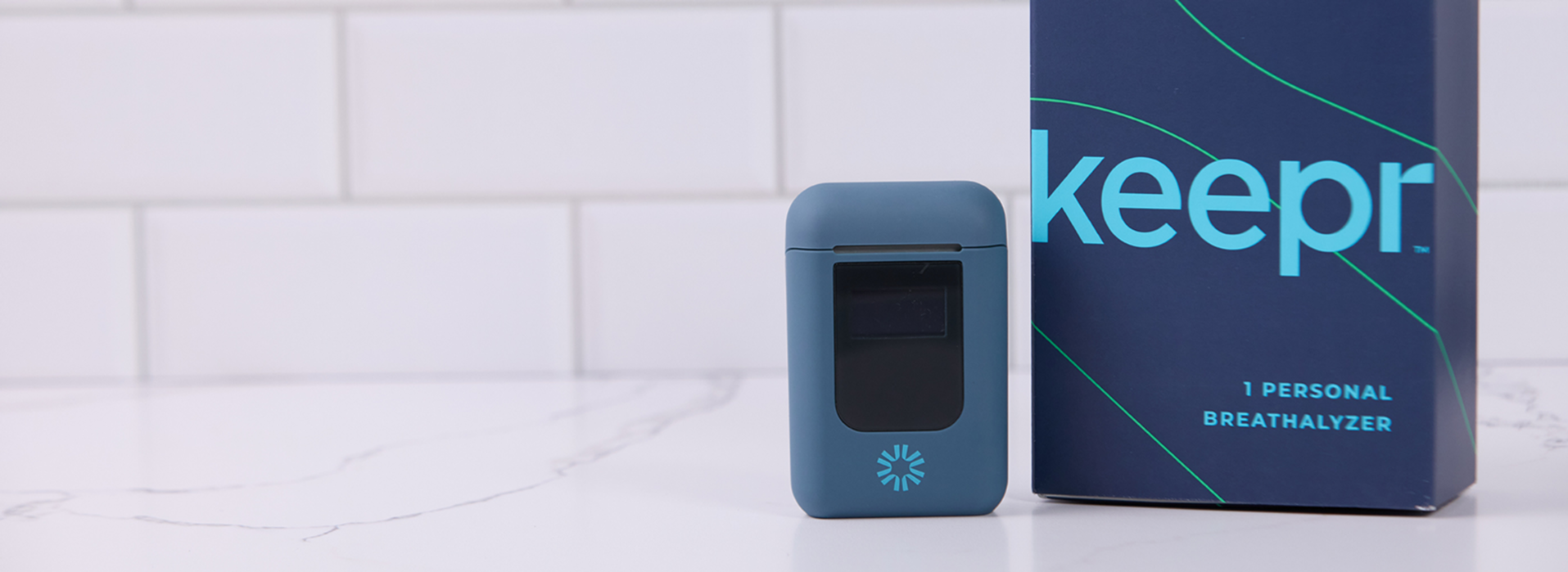
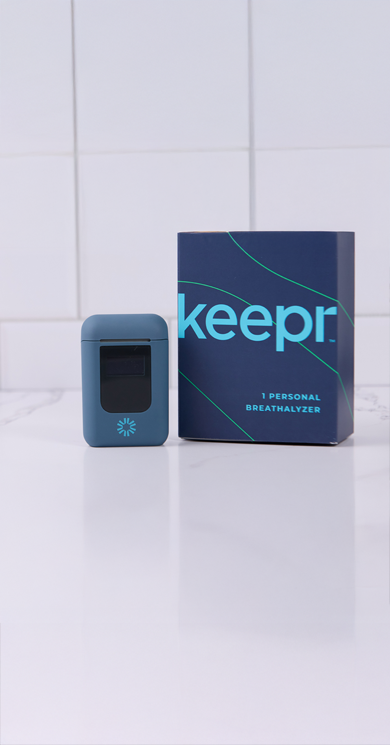
Keepr Drive is designed to promote safe driving and responsible decision-making among drivers, including teens. Keepr Drive integrates the Keepr® pocket-sized breathalyzer, which measures a user’s BrAC, directly into a driver's vehicle. Breathalyzers connected to a vehicle’s ignition system require a passing breath sample below a set limit before the vehicle is able to start.
Families choose Keepr Drive to:
- Prevent impaired driving before it occurs
- Reduce pressure on teens in social situations
- Reinforce clear family safety expectations
- Encourage planning ahead for safe rides home
"This personal safety device creates a personalized ecosystem of accountability between the driver, the vehicle, and those responsible for the driver," said Kathy Boden Holland, Chief Executive Officer of Mindr (creators of Keepr), during Teen Driver Safety Awareness Week.
Used voluntarily, Keepr Drive may become part of your family's broader safety agreement, similar to seatbelt rules or curfews. Center the intention and focus for these safety tools around protection, not control.
6 Tips on Talking with Your Child about Voluntary Car Breathalyzers
How you approach the conversation matters as much as the tool itself. Teens are far more likely to cooperate when they feel respected, valued, and heard.
Health experts recommend having multiple short, informal conversations rather than one serious lecture. This approach aims to build trust and consistency and increase the likelihood of your teen sharing their concerns honestly and willingly.
1. Expect Common Objections in Conversations About Drinking and Driving
It is normal for teens to argue. You may hear:
- “You don’t trust me.”
- “No one else has this.”
- “I do not even drink.”
- “This is embarrassing.”
These reactions often stem from fears about independence or social image. Acknowledging these feelings helps keep the discussion open and productive.
2. Start the Conversation About Drinking and Driving Before They Get Their License
The best time to talk about driving safety is before your teen starts driving independently.
Early and consistent conversations help:
- Normalize safety expectations
- Reduce defensiveness later
- Establish shared family values
Experts suggest bringing these topics up casually and often rather than waiting for a single serious talk just before handing over the keys to the minivan.
3. Share Statistics Behind Teens and Drunk Driving
Discussing real data helps ground the conversation in facts instead of fear and rule-making.
According to national surveys, alcohol-related crashes injure or kill thousands of teens each year. Many teens involved did not believe that alcohol impaired their judgment at the time.
Presenting these statistics calmly helps teens understand that the risk is real and ongoing, even when alcohol use feels casual or infrequent.
4. Explain the “Why” Behind a Voluntary Car Breathalyzer?
Your child may be more receptive when they understand the reasoning behind safety decisions.
Explain that Keepr Drive:
- Acts as a backup in high-pressure moments
- Helps avoid risky choices in social settings
- Protects them and others on the road
You might consider saying something like, “This is not about expecting you to make bad choices. It’s about having support when decisions are harder.”
5. Listen to Their Questions and Concerns
Give your teen space to express concerns without interruption. They need to feel their insights and opinions are valid and heard. Listening carefully builds trust and keeps communication open, even when the final decision does not change.
6. Agree on a Go-Forward Plan for Using the Family Car
Clear planning reduces confusion and panic later.
Work together to decide:
- Which vehicles will use Keepr Drive
- What happens if the car will not start
- Who they can call for a ride home
- That safety always comes before discipline
A clear plan may make it easier for your teen to follow a responsible and safe path in a pressured situation.
Start the Conversation Now to Protect Your Child
Getting your teen on board with a voluntary alcohol breathalyzer like Keepr Drive can help keep everyone in your family unified in your approach to drinking and driving. The key is approaching the decision as a family conversation rooted in trust, preparation, and care.
Start early. Listen carefully. Focus on safety. Your teen’s life is worth the conversation.
Improve responsible driving for the whole family with Keepr Drive today. Contact our team for more information.