Is Your Teen at Risk for Drinking and Driving? The Statistics May Surprise You
4 min read
New teen drunk driving data show the risk is not limited to troubled teens or unsafe households. Learn which teens are at greater risk and what tools you can use to support them.
Key Takeaways
- Teen drinking and driving statistics show some teens are disproportionately affected despite overall declines in use.
- Behavioral and academic changes in teens often appear before risky decisions like drinking and driving.
- Early conversations and preventive tools, such as personal and vehicle breathalyzers like Keepr® Drive, can strengthen safety habits.
Drinking and driving is a serious safety issue for adolescents, and parents need to remain vigilant. Even though teen alcohol use has decreased over the past decade, teenagers are new drivers with developing judgment and impulse control, and alcohol use needs to be carefully managed.
Knowing more about teen drinking and driving statistics can help parents measure the risks when teenagers get behind the wheel. And when you know where the risks lie, you’re better equipped to step in early and support safer decisions.
This blog provides general information and is not medical, legal, or safety advice. For guidance on alcohol monitoring tools, contact Keepr at (833) 743‑5969.
Teen Drinking and Driving Statistics: Which Teens Are Most at Risk?
According to national crash data, about 19% of alcohol-impaired drivers involved in fatal crashes in 2022 were between 15 and 20 years old. Along with that, almost 30% of young drivers killed in crashes had alcohol in their systems. Unfortunately, while teen drinking has declined in recent years, underage alcohol use remains a serious concern.
Teens who drink are also more likely to ride with peers who have been drinking. This behavior may expose teens to unsafe situations, even if they are not drinking themselves. Awareness of these statistics can help parents and caregivers take a proactive approach.
Socioeconomic Factors: Home, Income, Gender
Teen alcohol use is often influenced by household environments, including socioeconomic status. Some studies indicate teens from higher-income households report drinking at higher rates than their peers in lower-income households.
Early exposure to alcohol often increases opportunities for risky behaviors, including impaired driving. Access to cars, social events, and unsupervised gatherings can raise exposure to alcohol and driving situations.
These statistics highlight how a teen's environment and opportunity can influence behavior. Parents who are aware of these risk factors can create strategies to minimize potential hazards before teens start driving.
The Surprising Teen Gender Disparity
Historically, teen boys are more associated with risky behaviors, including drinking and driving. Recent research shows that teen girls are now reporting alcohol use rates similar to boys in many regions.
These trends show that prevention efforts must focus on all teens, not just certain genders.
How Do Parents Recognize the Warning Signs of Drinking in Teens?
A teen's behavior may give the earliest clues they could be at risk for underage drinking. Parents who notice subtle changes early may be better positioned to intervene. In turn, they can prevent this behavior from escalating into drinking and driving incidents.
Behavioral and Emotional Changes
Alcohol use may appear alongside noticeable shifts in mood and behavior. Some of these changes include:
- Increased secrecy or withdrawal from family
- Irritability or sudden mood swings
- Defensiveness around plans, friends, or whereabouts
- A sudden need for privacy that feels out of character
These signs do not automatically indicate alcohol use. When they appear alongside other changes, such as academic decline or social shifts, it may signal the need for a conversation to assess risk and provide guidance.
Academic or Social Struggles
School performance and social engagement are other areas where changes may be noticed. These warning signs include:
- Declining grades or skipped classes
- Loss of interest in previously enjoyed activities
- Changing peer groups or friendships
- Difficulty fulfilling responsibilities or commitments
Caregivers who notice these issues can intervene through conversation or monitoring. These steps can help prevent the dangers of drinking and driving.
Top Strategies to Keep Your Teen from Becoming a Statistic
Drinking and driving statistics among teens may be a wake-up call for parents and caregivers. Open communication, education, and safety tools like Keepr Drive can help to reduce risk while maintaining trust.
Talk to Your Teen Before They Get Their License
You want to start conversations about alcohol and teen drinking and driving statistics before they get their license. This is the time to discuss:
- Sobriety and legal obligations for underage drinking
- How to plan safe rides, such as using a sober friend or family member
- The full consequences of teens drinking and driving
Make sure to set expectations around safety. This helps teens know their boundaries and make better choices involving alcohol. You can help them stay out of legal trouble before they get behind the wheel.
Use a Handheld or Car Breathalyzer to Keep Your Teen Informed
Vehicle breathalyzers give teens real-time readings of their breath alcohol concentration (BrAC). As a vehicle-installed breathalyzer, it prevents a car from starting if alcohol is detected above a pre-set limit. This data can help you make informed decisions.
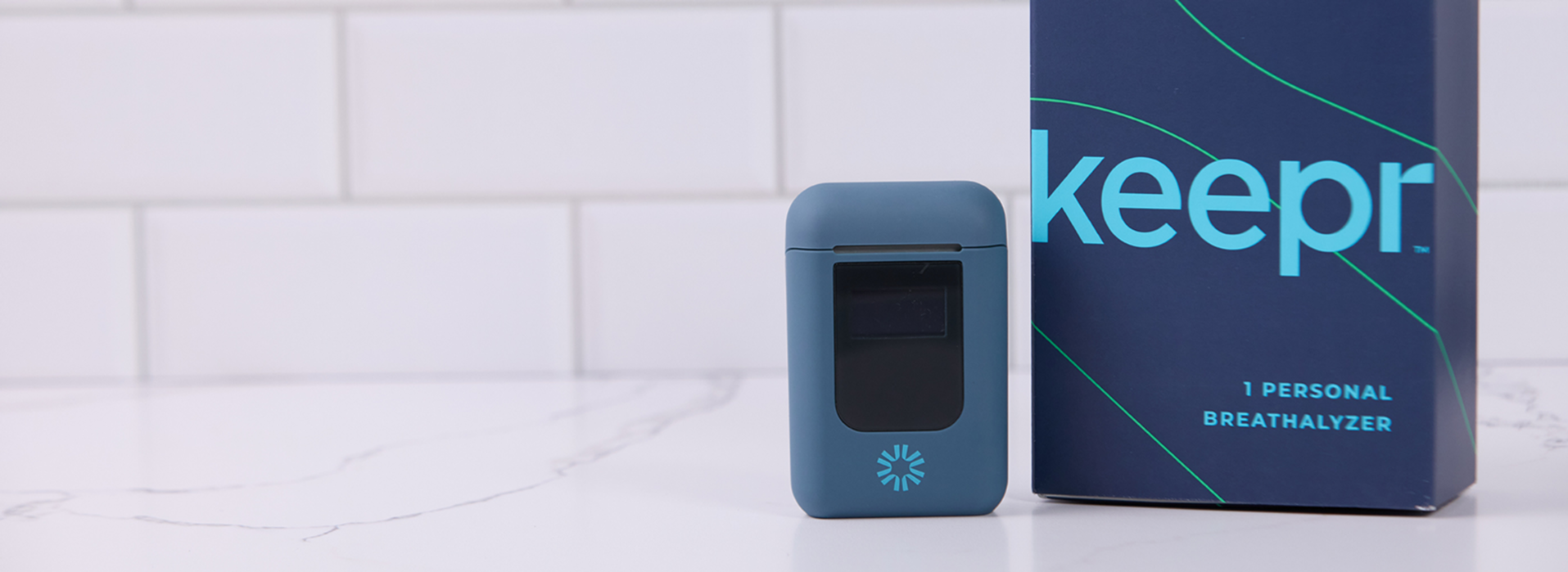
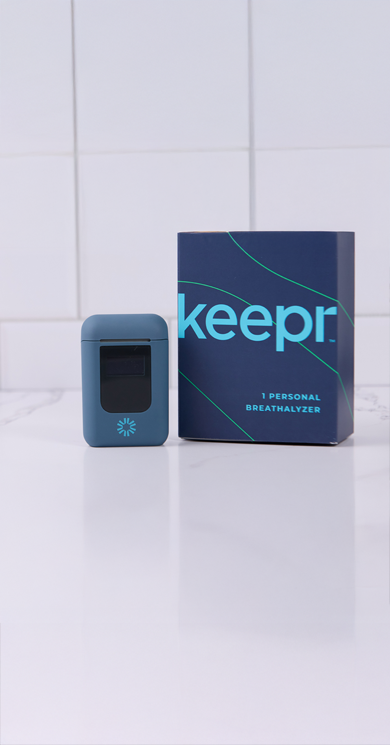
Parents can encourage teens to test themselves with a handheld breathalyzer like Keepr after social events or gatherings before driving. This is a discreet tool for private testing. This step allows teens to take ownership of their actions while potentially reducing risk behind the wheel.
Don’t Let Your Teen Become a Drinking and Driving Statistic
Teen drinking and driving statistics show that risk is not limited to troubled teens or unsafe households. In fact, teens with access to cars, social events, and independence have the highest exposure. If teens are approaching driving independence, now is the time to add precautions that support responsible choices without damaging trust.
Keepr helps track BrAC so you can trust your teen and nurture a safe environment for them and their friends. Learn more about our discreet and affordable solutions by calling Keepr at 833-743-5969